

How to Repair Damaged Hair Fast: Professional Recovery in 4 Weeks
Damaged hair can feel like a lost cause. Heat styling, chemical treatments, sun exposure, and daily environmental stressors accumulate over time, leaving hair brittle, frizzy, and lifeless. But here’s what professional stylists know: damaged hair can be repaired—quickly, if you use the right approach. This guide reveals the exact strategies that salon professionals use to reverse hair damage in as little as four weeks.
Understanding Hair Damage: The Science Behind Repair
Before you can repair damaged hair, you need to understand what “damaged” actually means. Hair damage isn’t uniform—it’s a progression from minor to severe, and each stage requires a different approach.
What Happens When Hair Becomes Damaged: Hair damage occurs when the protective outer layer (the cuticle) is stripped away, exposing the inner cortex. The cortex contains the proteins and moisture that make hair strong and flexible. Once exposed, these elements escape, leaving hollow, weak hair.
Common sources of damage include heat styling (hair dryers, flat irons, curling tools), chemical treatments (coloring, bleaching, relaxing, perming), UV exposure, chlorine, salt water, friction from brushing, and harsh shampoos containing sulfates. Understanding your damage source helps you prevent recurrence while repairing current damage.
The Fast-Track Repair Protocol: Week by Week
Professional repair requires a strategic, multi-step approach applied consistently. Here’s the exact protocol that delivers visible results in four weeks:
Week 1: Emergency Hydration Phase
Your first week focuses on saturating the hair with moisture to plump the damaged cortex and restore elasticity. During this phase, you’re essentially giving your hair a hydration intervention.
Daily Routine: Shampoo twice weekly with a sulfate-free cleanser, followed immediately by a hydrating conditioner. On non-shampoo days, apply a lightweight leave-in conditioner or hydrating spray to damp hair. This keeps moisture levels elevated throughout the week.
Weekly Treatment: Apply a deep conditioning treatment once, leaving it on for 20–30 minutes under heat. Apply to clean wet hair from root to tip, focusing on the most damaged areas. Rinse with cold water to seal the cuticle.
Heat Styling Pause: Eliminate heat styling entirely this week. Your hair needs recovery time without additional stress. Air-dry or blow-dry on the coolest setting only. This single change allows your hair to begin healing immediately.
Expected Results: By week’s end, you’ll notice improved softness and reduced tangling. Hair will feel more elastic and less brittle. Frizz may actually increase temporarily as the cuticle opens to absorb moisture—this is normal and temporary.
Week 2: Protein Reinforcement Phase
Now that hydration is restored, add protein-based treatments to rebuild the hair structure. Protein fills micro-gaps in damaged areas and temporarily increases tensile strength.
Treatment Addition: Introduce a protein-based treatment once this week. Apply it as a replacement for your regular conditioner once weekly. Leave on for 10–15 minutes. Protein treatments create a tighter, more uniform hair surface.
Shampoo Adjustment: Continue twice-weekly shampooing with sulfate-free formulas, but now alternate: one week with a hydrating shampoo, the next with a protein-enriched formula. This balance prevents over-conditioning.
Continue Heat Avoidance: Keep heat styling minimal. If you must use heat for work or special occasions, always apply a thermal protectant spray first and use the lowest effective temperature.
Expected Results: Hair will feel noticeably stronger and less stretchy when wet (a sign of improved structure). Shine increases as the cuticle becomes more uniform. Some users report being able to brush hair more gently without breakage.
Week 3: Strengthening and Protection Phase
At this point, hydration and protein are working together. Week 3 focuses on strengthening the inner structure and protecting gains made in weeks 1–2.
Treatment Routine: Continue your weekly deep conditioning (hydration) and protein treatment, but now space them: hydration treatment one week, protein treatment the next. Don’t do both the same day, as they compete for absorption.
Introduce Protective Products: Add a lightweight hair oil or serum to your routine. Apply a small amount to damp hair after shampooing, focusing on mid-lengths and ends. This seals the cuticle and provides a protective barrier against environmental stress.
Cuticle-Sealing Rinse: After every shampoo, finish with a cool-water rinse to seal the cuticle. This 30-second step dramatically increases shine and reduces frizz by flattening cuticle scales.
Heat Styling Cautiously: If you must use heat, do so sparingly and with protection. Low-to-medium heat only, always with a thermal protectant. Avoid flat irons and curling tools on chemically treated hair during recovery.
Expected Results: Hair looks visibly shinier and feels significantly smoother. Tangles are minimal. Breakage is substantially reduced.
Week 4: Maintenance and Prevention Phase
By week four, your hair has been substantially repaired. This phase consolidates gains and builds a sustainable long-term routine.
Establish Your Baseline Routine: Continue treatments that worked best during weeks 1–3. If hydrating treatments provided the most improvement, make those weekly. If protein made the biggest difference, prioritize those. You now know your hair’s specific needs.
Gradual Heat Reintroduction: You can now safely reintroduce heat styling, but thoughtfully. Use heat protectant on every application. Keep temperature moderate and duration brief. Avoid excessive heat more than 2–3 times per week.
Protective Styling: Give your hair additional recovery days by using protective styles—braids, buns, twists—that minimize friction and manipulation. These styles reduce breakage and maintain moisture.
Long-Term Maintenance Plan: Commit to monthly deep conditioning treatments, weekly leave-in conditioner use, and consistent use of thermal protection. This prevents damage recurrence and maintains the healthy hair you’ve built.
Expected Results: Hair looks and feels dramatically healthier than four weeks prior. Shine is restored. Elasticity is normal. You feel confident styling your hair without fear of additional damage.
Fast-Track Strategies That Actually Work
The Thermal Cap Accelerator
Heat dramatically increases how deeply treatments penetrate the hair. A thermal cap or warm towel wrapped around your hair for 15–20 minutes during treatment application increases penetration significantly. This single tool accelerates results faster than any product. Make it non-negotiable for maximum speed.
The Concentration Principle
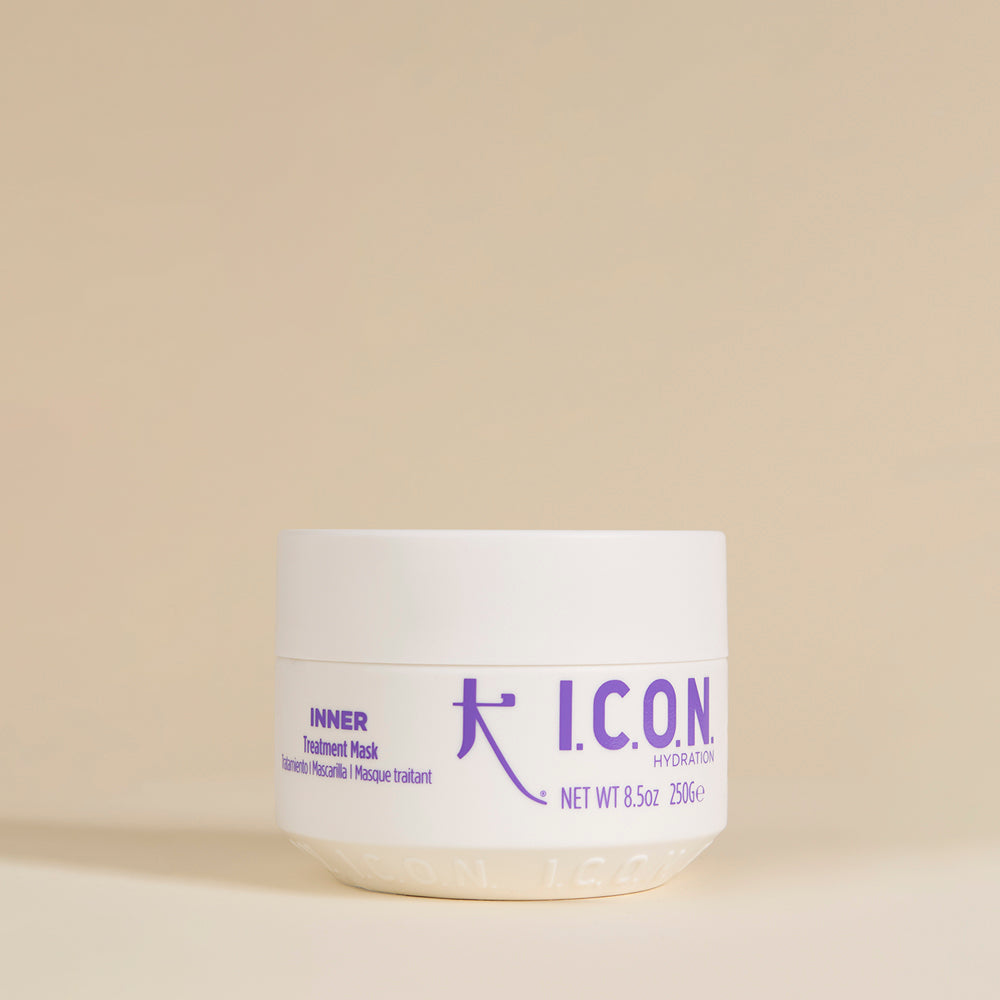
Professional repair doesn’t require buying many products—it requires using concentrated formulas correctly. The ICON Inner Moisturizing Treatment is so concentrated that you need only a small amount per section. A single bottle lasts weeks. Concentrated formulas deliver more active ingredients per application, accelerating results compared to lighter formulas.
The Cooldown Closure
Ending every shampoo session with a cool-water rinse closes the cuticle and seals moisture inside. This 30-second step costs nothing but dramatically amplifies the effect of your treatments. Professional stylists never skip this—neither should you.
The Elimination Principle
Stopping damage is as important as reversing it. Eliminating heat for even two weeks allows hair to partially self-repair. Sulfate-free shampoos eliminate chemical stripping. Thermal protectants eliminate heat damage. Each elimination removes a damage source, allowing repair to compound faster.
Products That Accelerate Hair Repair
Sulfate-Free Shampoo: This is non-negotiable. Sulfates are detergents that strip moisture and proteins from damaged hair. Choose formulas specifically labeled “sulfate-free.”
Deep Conditioning Treatments: These are the cornerstone of fast repair. Applied weekly with heat, they reverse damage visibly. The ICON Inner Moisturizing Treatment is formulated with shea butter, wheat amino acids, and babassu oil for deep conditioning. Apply to clean wet hair, leave on for 15 minutes, and rinse completely.
Protein Treatments: These rebuild hair structure rapidly. Apply once weekly as a replacement for your regular conditioner. Protein treatments create a denser, stronger hair shaft that resists breakage. Alternate protein weeks with hydration weeks to prevent over-conditioning.
Hydrating Leave-In Conditioner: Apply to damp hair on non-shampoo days to maintain elevated moisture levels. This keeps hydration constant and prevents relapse into dryness.
Hair Oil or Serum: Seal treatments with a protective oil applied to damp hair. The ICON India Oil—formulated with moringa and argan oil—provides cuticle protection and prevents moisture escape without leaving hair greasy.
Common Damage Types and Repair Timelines
Heat Damage (Flat Iron, Blow Dryer, Curling Tool)
Heat damage typically affects the outer cuticle and upper cortex. The good news: it responds quickly to hydration and protein treatments. Most heat damage shows substantial improvement in 3–4 weeks with consistent treatment. Severe heat damage may require 6–8 weeks. The key is consistent heat avoidance during recovery.
Chemical Damage (Color, Bleach, Relaxer, Perm)
Chemical damage penetrates deeper into the hair structure, altering protein bonds. Recovery takes 6–12 weeks depending on severity. Deep conditioning weekly with protein treatments is non-negotiable. Patience is essential—rushing back to chemical treatments before full recovery causes exponential damage.
Environmental Damage (Sun, Chlorine, Salt Water)
Environmental damage is cumulative, building week over week. Reversing it requires preventing further exposure plus hydration and protein treatments. Environmental damage typically shows improvement in 3–4 weeks once damage sources are eliminated.
Mechanical Damage (Brushing, Rough Handling)
Mechanical damage creates breakage and split ends. Improvement begins immediately once you switch to gentle handling—wide-tooth combs, soft brushes, minimal brushing. Combine with weekly deep conditioning, and mechanical damage typically improves in 2–3 weeks.
What to Expect: The Damage Recovery Timeline
Week 1: Improved softness and reduced tangles. Hair feels more elastic. Frizz may increase (temporary—this is moisture rehydrating the hair).
Week 2: Noticeable shine increase. Hair is stronger when wet. Breakage begins decreasing.
Week 3: Dramatic shine and smoothness. Tangles are minimal. You notice reduced breakage even when brushing.
Week 4+: Hair looks professionally treated. Shine is obvious. Elasticity is restored. Maintenance becomes the focus.
Mistakes That Slow Hair Repair
Returning to Heat Too Soon: Heat damage repairs slowly if you immediately re-damage with heat styling. Wait at least 2–3 weeks before reintroducing heat.
Using the Wrong Products: Regular conditioners aren’t enough for damaged hair. You need deep conditioning treatments (weekly) and often protein treatments.
Skipping the Thermal Cap: Heat during treatment increases penetration dramatically. Skipping it halves your results.
Inconsistent Application: Your hair needs consistent, weekly treatments to heal. Commit to weekly treatments during the repair phase.
Not Protecting the Repair: Once you’ve repaired damage, you must protect against new damage. Skip thermal protection or return to heat styling aggressively, and you’ll re-damage hair faster than it repaired.
Repair Your Hair Today: The Action Plan
Damaged hair doesn’t require expensive salon treatments or dramatic cuts. It requires a strategic, consistent repair protocol using professional-grade products applied correctly.
Start today with Week 1: aggressive hydration, heat avoidance, and consistent deep conditioning. Within four weeks, you’ll see the transformation that made professional stylists believers in the power of proper repair.
Ready to start repairing? Begin with the ICON Inner Moisturizing Treatment, the professional choice for deep conditioning. Apply to clean, wet hair—leave on for 15 minutes for deep repair, or 2 minutes as a quick conditioner.
Your healthiest hair is four weeks away.
Frequently Asked Questions About Fast Hair Repair
Bestsellers
Read more

Best Deep Conditioning Treatment 2026: Expert Guide to Professional Hair Repair
Deep conditioning treatments are no longer optional—they’re essential for anyone serious about maintaining healthy, vibrant hair. Whether your hair is damaged from heat styling, chemical treatments...
Read moreICON Hair Products Reviews: What Longtime Customers Say
A lot of ICON customers found it the same way: through their stylist, at the salon. Then they kept using it for years. Their reviews on iconathome.com tell that story better than we could. I.C.O...
Read more